
What Will Your RICS Home Survey Really Cost in 2025?
Buying a home is one of the biggest decisions most of us will make. It’s undoubtedly exciting, but is famously stressful, especially when you’re not entirely sure what the true state of your new property is. Whether it’s cracking in the walls, undetected damp spots, or building defects which aren’t visible to the untrained eye, these unexpected issues can turn into a very costly surprise.
That is why it is so beneficial to spend money on a house survey. A survey gives you a clear picture of the state of the property before you commit to buy. It allows you to be aware of any problems at the earliest point, avoid unexpected repair bills, and helps you make your purchase with confidence. A good survey gives you something just as important, peace of mind. The fact that a professional RICS surveyor has examined your soon-to-be property gives you the assurance to commit; informed and empowered.
Of course, the most practical of buyers’ questions is one of the earliest:
“How much does a house survey cost?”
What Is a RICS House Survey?
A house survey is a detailed inspection of a property’s condition, carried out before you buy. It’s there to give you a clear idea of what you’re getting into, spotting any hidden problems like structural deficiencies, dampness and poor building works that might not show up during a normal viewing.
Surveys are most commonly carried out by RICS surveyors. RICS stands for the Royal Institution of Chartered Surveyors, which is the main professional body that sets the standards for people working in property and construction across the UK (and even worldwide). If you hire a RICS surveyor, you know you’re getting someone properly trained, regulated, and held to a high standard.
It’s worth saying that a house survey isn’t the same as a mortgage valuation. A valuation is for the lender – it just checks the property’s worth. A survey, on the other hand, is for you. It gives you an honest, independent view of the property’s condition so you can buy with confidence, knowing there won’t be any nasty surprises later on.

The Different Types of House Surveys
House surveys in the UK follow standards set by the Royal Institution of Chartered Surveyors (RICS). Each level offers a different depth of inspection, so choosing the right one depends on the age, condition, and complexity of the property you’re buying.
Here’s a straightforward breakdown of the two main survey types, level two and three. There is also a RICS level one however these are rarely used or carried out by surveyors due to the limited investigation they provide.
RICS Level 2 Survey (Commonly referred to as a HomeBuyer Report)
What it covers:
A Level 2 survey offers a detailed inspection. It identifies visible building defects, signs of damp and general building issues, and any urgent problems that could affect the property’s value or safety. The report explains the significance of each issue using a condition rating system 1-3 and highlights where further investigation may be needed.
An optional market valuation can be included, making this a popular and practical choice for many buyers.
Ideal for:
Most houses and flats of conventional construction, particularly those built within the last century.
Typical cost:
£450 – £950
RICS Level 3 Building Survey
What it covers:
A Level 3 survey is the most comprehensive option available. It provides an in-depth assessment of the building on the potential issues covered in level 2 and goes into further detail on how to carry out the remedial works. The report explains defects in detail, outlines their likely causes, effects and offers guidance on repairs and ongoing maintenance. A level three report also using a condition rating system of 1-3 for ease.
Best for:
Older or period properties, listed buildings, and homes that have been significantly altered, extended, or show signs of disrepair.
Typical cost:
£650 – £1,500+, depending on the size and complexity of the property.
What Can Affect the Cost?
The cost of a house survey can vary, and it’s not just down to the surveyor you hire. There are a few key things that can affect the price depending on the property and what’s involved.
Property size – Bigger homes simply take longer to inspect thus meaning the survey will be more to reflect the time and complexity.
Age – Older properties often come with more wear, defects and construction complexities, which means they usually require a more detailed inspection. For this reason, the cost of the survey is likely to be higher. In many cases, a Level 3 survey is more appropriate for an older property, and this is typically more expensive than a Level 2.
Condition – When a property is in visibly poor condition, showing signs of damage, neglect or clear defects, the survey is likely to take more time and investigation. Because of this additional work and the increased risk involved the cost of the survey is usually higher.
Location – Prices can vary depending on where the property is. Surveyors in London and the South East, for example, often charge more than those in other parts of the UK, largely because their own business and travel costs are higher.
Construction type – Non-standard builds, such as timber-framed homes, concrete or steel-frame properties, thatched cottages and listed buildings, usually require extra time and specialist expertise. There is often more to check, more detail to explain, and sometimes the need for additional research. Because of this, surveys on unusual or complex construction types are generally more expensive.
Extras – Add ons like property valuations or the use additional equipment such as drones can increase the overall cost, but they can also give you a much clearer picture of what you’re buying
What Is The Right Survey For You?
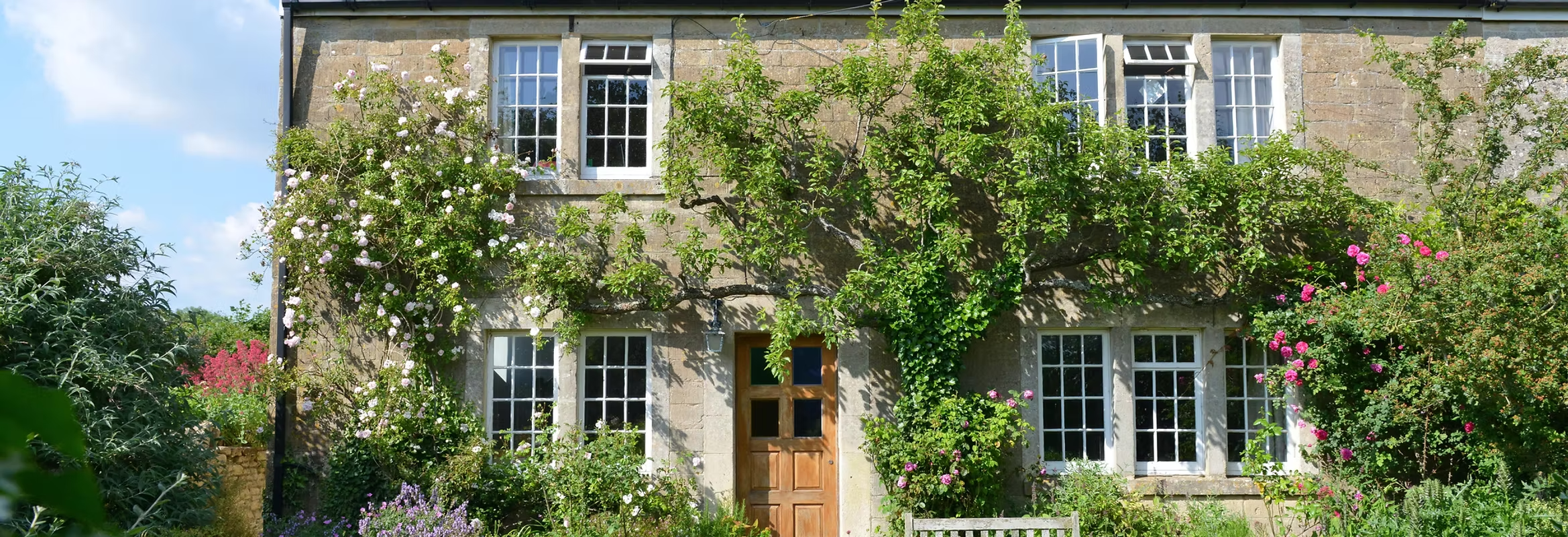
Not every home needs the same level of inspection. The right survey depends on the age, construction, and general condition of the property you’re looking at. It is the surveyors obligation to advise and carry out the most appropriate level survey so be guided by your surveyor on the right level survey.
Although a survey is an upfront cost, it can save you far more in the long run by detecting problems early, allowing you to renegotiate or have issues dealt with before you commit to the purchase.
To break it down simply:
- New builds or modern homes (present–2020) – A Level 2 survey is usually appropriate for properties built within this period. If the home is a genuine new build (for example, you are the first owners), then a snagging survey may be more suitable. These properties are generally built using modern, standard construction methods and tend to carry fewer major risks. However, issues are still commonly found, so newer homes should never be assumed to be completely risk-free.
- Standard homes (1950–2020) – A Level 2 (HomeBuyer Report) is usually the most appropriate choice. It provides a clear overview of the property’s condition and gives you the key information you need to make an informed decision about your purchase.
- Older, period, extended or non standard construction properties (Pre 1930) – A Level 3 survey is usually the most appropriate option. These homes often have more complex issues and construction methods that require a deeper level of investigation, explanation and guidance.
Are House Surveys Worth It?
When you weigh up the risks versus the cost, one conclusion stands out:
Yes, a house survey is worth the cost. For most buyers, it offers clarity, protection and peace of mind that far outweigh the initial expense.
A good survey can save you thousands of pounds in the long run. It gives you a clear picture of any problems before you complete the purchase, helping you plan for repairs or even reconsider your offer. Many buyers use the survey findings to renegotiate the price, often negotiating off far more than the survey itself cost.
For example, imagine you spend £600 on a survey and it reveals a serious roof defect that would have cost £10,000 to fix after moving in. That single report has potentially saved you years of financial stress and potential resale issues in the future.
Beyond the financial benefits, a survey gives you something far more valuable , peace of mind. Knowing your new home has been thoroughly assessed by an independent professional means you can move forward with confidence, rather than worrying about unexpected problems surfacing later when you come to sell.
To sum it all up, the cost of a house survey in the UK typically falls somewhere between £450 and £1,500+, depending on the type of survey you choose and the property itself.
Always use a trusted, RICS-qualified surveyor. RICS standards exist to protect buyers, ensuring surveys are carried out professionally, independently, and with your best interests in mind. If you’re buying a property and want clear, honest advice from the outset, we’re here to help.
At Real Surveying, we are always transparent about pricing and happy to guide you on the most suitable survey for your property and budget. Get a no obligation quote from Real Surveying today. Detailed, independent, and reliable.



Leave A Comment